English

COMPARE
English

Direct comparison

Coldcard Mk4 vs Coldcard Q

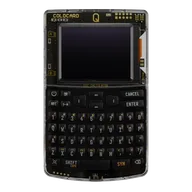
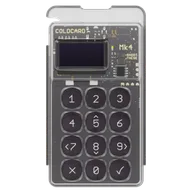
Two Coinkite Air Gap Wallets — Mk4 monochrome/USB, Q with color display and keyboard; both Bitcoin-only according to the catalog.

What matters

Key differences to help you choose, without an overall score.

  1. Coldcard Mk4

    • If you want to sign Bitcoin using PSBTs and microSD and learn a separate wallet workflow.
    • If you first check an existing device’s firmware and seed origin against Coinkite’s security advisory.
  2. Coldcard Q

    • If you prefer QR scanning and a physical keyboard for Bitcoin to a compact USB stick.
    • If you first check an existing device’s firmware and seed origin against Coinkite’s security advisory.

Features

Differences3

Shared features10

Overview

Conclusion — Strengths, limitations and suitable uses. Your workflow and the functions it requires are what matter.

Editorial assessment

The Coldcard Mk4 and Q hardware wallets are aimed at Bitcoin users who want to check and sign transactions on the device. The main factors that count when selecting are input, data transfer and housing size. According to the manufacturer, Q uses the same basic security model with two Secure Elements as Mk4; a larger display is not proof of greater security.

Mk4 is the smaller version with twelve buttons and a microSD slot. Q adds a full keyboard, a larger color display, a QR scanner, two microSD slots and optional operation with three AAA batteries. The keyboard can be particularly useful for long passphrases. Q has no touch display; Entries are made via the physical keyboard. These differences are documented in the manufacturer comparison Mk4 and Q (access 19.09.2026).

Decision support: If your existing system works with microSD and the small device, the more compact Mk4 is an obvious comparison option. If keystrokes or QR transfers are the focus, examine Q more closely. This is an editorial classification of the documented functions, not our own practical testing. Check the scope of delivery, current firmware and final price including shipping and taxes before purchasing.

The table shows recorded features and list prices. Also consider Coinkite’s advisory on previously generated seeds in the product limitations. Details and sources: Coldcard Mk4 and Coldcard Q.
Compare alternatives

01

Coldcard Mk4

Pros

  • In this comparison: list price USD 177.94
  • Air gap and PSBT workflows documented
  • Two Secure Elements according to the manufacturer's documentation
  • Limited to Bitcoin
  • NFC in addition to USB
  • Firmware code is publicly readable; its licence includes a Commons Clause restriction

Cons

  • Seeds generated by affected earlier firmware may be at risk; a firmware update does not repair existing seeds. Check Coinkite’s migration guidance.
  • No multi-chain support
  • No Bluetooth
  • Small monochrome display
  • PSBTs and separate wallet software require a deliberately configured workflow

more suitable if...

  • If you want to sign Bitcoin using PSBTs and microSD and learn a separate wallet workflow.
  • If you first check an existing device’s firmware and seed origin against Coinkite’s security advisory.
02

Coldcard Q

Pros

  • Air gap including QR workflows
  • Colour screen, physical keyboard and power from three AAA batteries
  • BIP39, BIP85 and Seed XOR
  • Two Secure Elements according to the manufacturer
  • Firmware code is publicly readable; its licence includes a Commons Clause restriction

Cons

  • In this comparison: higher list price (USD 249)
  • Seeds generated by affected earlier firmware may be at risk; a firmware update does not repair existing seeds. Check Coinkite’s migration guidance.
  • Bitcoin only
  • Larger keyboard form factor instead of USB stick
  • Batteries or cables separately if necessary
  • QR and PSBT workflows require compatible wallet software

more suitable if...

  • If you prefer QR scanning and a physical keyboard for Bitcoin to a compact USB stick.
  • If you first check an existing device’s firmware and seed origin against Coinkite’s security advisory.

Sources & notes