


What is a Crypto Card?
A crypto card spends via Visa or Mastercard, while balances are in crypto, stablecoins or fiat. The expensive lines are often in spread, FX and cash — not marketing cashback. Read:
Product comparison
Compare card fees, cashback and country availability by card tier. Check the conditions that apply to your place of residence.
The catalog is still being checked for this category.
Choose card tiers or start with a preset.
The documented feature rows in this view match. Turn off “Differences only” to view them.
No product matches the search.
No products selected. Choose products in the product selection to compare them.
Your selected products do not match these filters. Your selection is still saved.
| criterion | 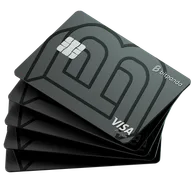 Bitpanda Visa Card | 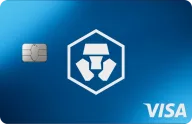 Crypto.com Basic | 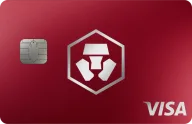 Crypto.com Plus | 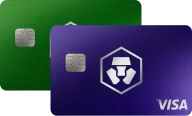 Crypto.com Pro | 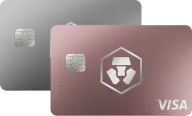 Crypto.com Private |  ether.fi Core |  ether.fi Luxe |  ether.fi Pinnacle |  ether.fi VIP |  Gnosis Pay Card | 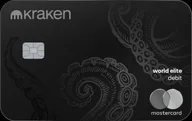 Krak starter | Krak Lite | Krak Pro | Krak Elite | Krak Max | 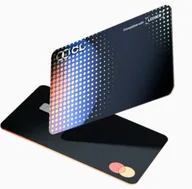 Ledger CL Card | 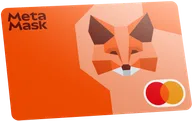 MetaMask Virtual | 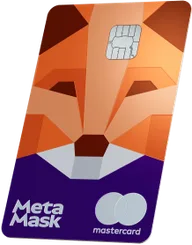 MetaMask Metal |  Nexo Debit |  Nexo Credit |  OKX Non-VIP | OKX VIP 1 | OKX VIP 2 | OKX VIP 3 | OKX VIP 4+ |  Plasma One Lite |  Plasma One Core |  Plasma One Platinum |  Plutus starter | Plutus Everyday | Plutus Premium | 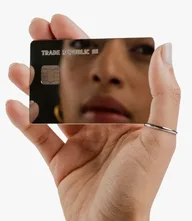 Trade Republic Card |  Wirex One Base | Wirex One Premium | Wirex One Elite |  Wirex One Private | Wirex One Bespoke |
|---|---|---|---|---|---|---|---|---|---|---|---|---|---|---|---|---|---|---|---|---|---|---|---|---|---|---|---|---|---|---|---|---|---|---|---|---|---|
| NetNetwork: Visa or Mastercard. “Both” in research meets the Visa or Mastercard filter. | Visa | Visa | Visa | Visa | Visa | Visa | Visa | Visa | Visa | Visa | Mastercard | Mastercard | Mastercard | Mastercard | Mastercard | Mastercard | Mastercard | Mastercard | Visa | Visa | Mastercard | Mastercard | Mastercard | Mastercard | Mastercard | Visa | Visa | Visa | Visa | Visa | Visa | Visa | Visa/Mastercard | Visa/Mastercard | Visa/Mastercard | Visa/Mastercard | Visa/Mastercard |
| Card typeCard type: Debit debits credit/account. Prepaid is loaded beforehand. Mixed = Debit and Credit variants in one SKU line. | Debit | Prepaid | Prepaid | Prepaid | Prepaid | Debit | Debit | Debit | Debit | Debit | Debit | Debit | Debit | Debit | Debit | Debit | Debit | Debit | Debit | Credit | Debit | Debit | Debit | Debit | Debit | Debit | Debit | Debit | Debit | Debit | Debit | Debit | Debit | Debit | Debit | Debit | Debit |
| CustodyCustody: Custodial = credit on the provider account. Non-custodial = card on a wallet, not on the exchange account. | Custodial | Custodial | Custodial | Custodial | Custodial | Non-custodial | Non-custodial | Non-custodial | Non-custodial | Non-custodial | Custodial | Custodial | Custodial | Custodial | Custodial | Custodial | Non-custodial | Non-custodial | Custodial | Custodial | Custodial | Custodial | Custodial | Custodial | Custodial | Non-custodial | Non-custodial | Non-custodial | Custodial | Custodial | Custodial | Custodial | Custodial | Custodial | Custodial | Custodial | Custodial |
| Apple/Google PayApple/Google Pay: Hard Research Line. A help text “2025 is coming” does not count as yes. | ✓ | ✓ | ✓ | ✓ | ✓ | ✓ | ✓ | ✓ | ✓ | ✓ | ✓ | ✓ | ✓ | ✓ | ✓ | ✓ | ✓ | ✓ | ✓ | ✓ | ✓ | ✓ | ✓ | ✓ | ✓ | ✓ | ✓ | ✓ | ✓ | ✓ | ✓ | ✓ | ✓ | ✓ | ✓ | ✓ | ✓ |
| FXFX: Provider's surcharge when paying in foreign currency, plus target currency if used. Spread when changing assets is not 0-%-FX. Visa rate = network rate without extra markup. | 0% Non-EUR | 0.2% EU/UK · 2% ROW | 0% | 0% | 0% | 0% EUR · otherwise base rate + up to 0.5% | 0% EUR · otherwise base rate + up to 0.25% | 0% EUR · otherwise base rate | 0% EUR · otherwise base rate | 0% · Visa course | $ 0 + Spread | $ 0 + Spread | $ 0 + Spread | $ 0 + Spread | $ 0 + Spread | — | 1% abroad | 0% abroad | 0,2/2% + WE | 0,2/2% + WE | 0.1% spread | 0.1% spread | 0.1% spread | 0.1% spread | 0.1% spread | to 1% Non-USD | to 1% Non-USD | to 1% Non-USD | — | — | — | Visa course | 0% markup | 0% markup | 0% markup | 0% markup | 0% markup |
| CapCap: Upper limit or scale of this SKU (month, AI band, flight). No cap in the cell does not mean “unlimited” if the policy is unknown. | no cap | no cap | $ 1250/mo | $ 2500/mo | no cap | $2k, EUR $800 · 1% / 0.5–0.1% | $10k, EUR $3k · 1% / 0.5–0.1% | $50k, EUR $16k · 1% / 0.5–0.1% | $50k/mo, EUR $16k · lower after that | 1k–4k gCRC/week | no cap | no cap | no cap | no cap | no cap | — | no cap | 10k$ then 1% | no cap | 50–$ 200/mo | EUR 10/Mon | EUR 300/Mon | EUR 450/Mon | EUR 1000/Mo | EUR 1000/Mo | no AI | 5% AI $ 500/mo | 10% AI · $ 600/J | EUR 250/Mon | EUR 500/Mon | EUR 1000/Mo | EUR 15 Cash · EUR 30 Crypto | WPAY × 7%/Mon | WPAY × 7%/Mon | WPAY × 7%/Mon | WPAY × 7%/Mon | WPAY × 7%/Mon |
| SavebackSaveback: Rate of this SKU — not the marketing cap. One number per column for sorting to work. | 1% crypto only | 0% | 2% | 3% | 4% | 3% | 3% | 3% | 4% | 0% | 0% | 0.5% | 1% | 1.5% | 2% | 1% | 1% | 3% | 0% | 0.5% NEXO | 2% USDG | 4% USDG | 4.5% USDG | 5% USDG | 10% USDG | 2% | 3% | 4% | 3% | 3% | 3% | 1% Cash · 2% Crypto | 0.5% | 1% | 3% | 5% | 8% |
| Card costsCard Cost: Issue or subscribe to this SKU. Month × 12 = Year. EUR 0 only with an officially free edition - “no subscription” is not a 0. Mandatory lock or hold (CRO, XPL, WPAY) is in the cell with the amount - this is not a sorting price. Tickers lead to CoinMarketCap. | EUR 0 | EUR 0 | $ 4.99/Mo · $ 500 CRO | $ 29.99/Mo · 5k $ CRO | 50k–500k $ CRO · 12 Mon | $0 virtual · $50 physical | 5k points or $199/year | 25k points or $999/year | $500k Liquid or 500k ETHFI | EUR 0 | no subscription | ≥EUR 200 Hold | ≥EUR 1000 Hold | ≥10k € Hold | ≥50k € Hold | EUR 0 | $ 0 | $ 199/year | $ 0 | >5k $ portfolio | EUR 0 | VIP 1 | VIP 2 | VIP 3 | VIP 4+ | $ 0 | $ 199/year · 20k XPL | 100k XPL · 12 Mon | EUR 6.99/Mon | EUR 9.99/Mon | EUR 19.99/Mon | no subscription | no subscription | ≥$ 500 · ≥1% WPAY | ≥2,5k $ · ≥3% WPAY | ≥25k $ · ≥5% WPAY | ≥50k $ · ≥10% WPAY |
| To the offerAffiliate links | To the offer ↗No firmly documented immediate bonus · Examination open | To the offer ↗No firmly documented immediate bonus · Examination open | To the offer ↗No firmly documented immediate bonus · Examination open | To the offer ↗No firmly documented immediate bonus · Examination open | To the offer ↗No firmly documented immediate bonus · Examination open | To the offer ↗to EUR 400 | To the offer ↗to EUR 400 | To the offer ↗to EUR 400 | To the offer ↗to EUR 400 | To the offer ↗to EUR 400 | To the offer ↗Offer terms have not yet been confirmed. |
A preset replaces your selected products. Filters hide products that do not match while keeping them in your selection.
Your reference stays in the first column. Scroll sideways to see more products. Share the page URL to keep your selection, filters and sorting.
Six card options from the catalogue, listed alphabetically. Compare payment networks, card types and custody.
| product | Net | Card type | Custody |
|---|---|---|---|
| Bitpanda Visa Card | Visa | Debit | Custodial |
| Crypto.com Basic | Visa | Prepaid | Custodial |
| Gnosis Pay Card | Visa | Debit | Non-custodial |
| Ledger CL Card | Mastercard | Debit | Custodial |
| MetaMask Virtual | Mastercard | Debit | Non-custodial |
| Nexo Debit | Visa | Debit | Custodial |
Examples, not a ranking. See each product profile for full details, limitations and sources. Criteria and sources
A crypto card spends via Visa or Mastercard, while balances are in crypto, stablecoins or fiat. The expensive lines are often in spread, FX and cash — not marketing cashback. Read:
Useful for everyday purchases if Germany, Austria and Switzerland edition and Apple/Google Pay are documented. Less suitable if the SKU is only valid in the USA or cashback is tied to token locks. The fit depends on the step and network.
Cashback level of the specific SKU, Germany, Austria and Switzerland, Apple/Google Pay, Netz, FX and documented card costs. EUR 0 only with documented free edition. Mandatory lock or hold is written with the amount in the cell. Methodology and fees:
If you want to spend in DE, AT or CH, filter on Germany, Austria and Switzerland yes - the cell states the documented scope, not the marketing slogan. Trade Republic lists DE/AT with Visa and Apple/Google Pay yes; Safekeeping is custodial, saveback depends on recurring investment plan conditions. Gnosis Pay covers DE/AT/CH, Wallet Pay yes, non-custodial storage - the card is attached to your own wallet instead of to the exchange account. Bitpanda calls the Euro area with Visa and Wallet Pay yes, also custodial. FX and card costs are per column - EUR 0 only if the free issue is documented. Network and card type are on their own lines. Trade-off: custodial is easier to onboard, non-custodial requires a running wallet - but keys stay with you.
ExamplesTrade RepublicGnosis PayBitpanda
Wallet-Pay is the hard filter line - a help article "coming 2025" is not enough for yes. Krak Starter, Trade Republic and ether.fi Core carry Apple/Google Pay on yes. Krak runs via Mastercard with Germany, Austria and Switzerland in the filter line - for pure DE everyday life, still check the Germany, Austria and Switzerland filter and FX cell. Trade Republic combines visa with DE/AT and custodial custody. ether.fi Core is non-custodial with Visa and DE/AT/CH — saveback and caps are attached to the core level in the cell, costs are documented separately there. Card type and network are in their own rows in the comparison table. Trade-off: custodial (Krak, TR) often set up faster; ether.fi needs wallet setup but offers non-custodial.
ExamplesKrakTrade Republicether.fi
A non-custodial card connects to a wallet rather than an exchange account. The custody=non_custodial filter shows these card variants. Gnosis Pay uses Visa, with DE/AT/CH availability and wallet payments documented. The virtual MetaMask Card uses Mastercard, with DE/AT/CH availability documented. ether.fi Core combines non-custodial access with Visa and wallet payments; its caps and cashback appear in the Core column. Compare card fees and foreign exchange costs for each variant: Saveback alone is not enough. Higher tiers such as Luxe and Pinnacle have separate columns and their own caps. You bear the wallet risk yourself, with no exchange login as a fallback. These cards may fit if you want to retain control of your keys. Guide: /en/guides/custodial-vs-non-custodial-crypto-cards. Filter shortcut: /en/compare/crypto-cards?custody=non_custodial&pool=all.
ExamplesGnosis PayMetaMaskether.fi
Visa in research means: the network is based on Visa in the cell - regardless of whether the provider also carries Mastercard. Bitpanda Visa Card, Gnosis Pay and Trade Republic carry Visa with Wallet-Pay yes. Bitpanda and Trade Republic are custodial; Gnosis Pay non-custodial. Germany, Austria and Switzerland coverage differs: Bitpanda mentions the Euro area, Gnosis Pay DE/AT/CH, Trade Republic DE/AT. FX and card costs are per SKU - EUR 0 only if the free edition is documented. Saveback and token locks depend on the specific level, not on the network logo alone. You check the card type and storage in separate lines. Trade-off: Visa acceptance is broad, but the FX markup and spread determine everyday costs, not the network logo alone.
ExamplesBitpandaGnosis PayTrade Republic
You need Germany, Austria and Switzerland, but the SKU is US only. You want Apple Pay, but the line says no. You expect the same cashback for every subscription - saveback depends on the specific level. You take “until 8%” from Bitunix — in EEA/UK, card cashback is 0% according to the provider. Check Germany, Austria and Switzerland, wallet pay and card costs in the column before committing to marketing caps.
A debit, prepaid or mixed card that makes everyday payments via Visa or Mastercard while holding balance in crypto, stablecoins or fiat. Fees are often in spread, FX and cash.
There is no blanket "best" card - Germany, Austria and Switzerland, wallet pay, card costs and saveback for the specific SKU count differently. Germany, Austria and Switzerland everyday life with wallet pay and custodial: Trade Republic (Germany, Austria and Switzerland DE/AT, Visa, Apple/Google Pay yes). Non-custodial with Germany, Austria and Switzerland: Gnosis Pay (DE/AT/CH, Visa, Wallet yes). If you search in the cost line without a documented token lock: check ether.fi core (costs, caps in the core cell). Visa network with euro area: Bitpanda Visa Card. The table is sorted by name, card cost or saveback — not by an editorial recommendation.
Only SKUs whose Germany, Austria and Switzerland line is set to yes in research. Unknown policy is not a filter option.
Only if the Apple / Google Pay line is set to yes. A help article with "coming 2025" is not enough for yes. The wallet pay filter shows the documented intersection.
Cashback is a refund on sales. Saveback (e.g. Trade Republic) can depend on recurring investment plan conditions and caps. The cell states the tier of that SKU — not the marketing cap.
These are pre-selection chips based on card cost and hold hurdle - not based on saveback. You don't need a subscription or a token lock to get started. Middle class are subscriptions or medium holds. Top models are high locks or OKX VIP 3+. When called up for the first time, no chip is pressed.
FX is the card provider's markup in foreign currency — or the target currency (EUR, USD). Spread when exchanging crypto is not 0-%. Cap is the ladder of this column: monthly limits, ether.fi core to $ 2000, Luxe 10k, Pinnacle/VIP 50k, Plasma-AI $ 500/mo or 10% AI plus $ 600/year flight at Platinum. One line remains unknown.
If the tier requires a lock or hold, the amount is in the card cost: Krak Rewards at 30 day average (0 / 200 / 1 000 / 10k / 50k € → 0 / 0,5 / 1 / 1,5 / 2%), Crypto.com CRO in US Dollar (Plus $ 500, Pro $ 5000, Private 50k–500k $, 12 months), Plasma Platinum 100 000 XPL for 12 months, Wirex One WPAY share plus minimum portfolio, OKX after trading VIP (USDG only). Plutus 3% comes from the subscription, not from the PLU stack. Open ticker CoinMarketCap — this is the price, not an offer.
No. Inclusion and sorting follow the methodology, not the commission. This site has no shop buttons; Offers that require labeling are on product pages, if linked.
Virtual often starts in the app; physical needs shipping and activation. Whether both exist is stated in the SKU line — not as a ranking.
This depends on the SKU: some programs charge crypto, others charge a euro balance. The product page states the documented route - no test winner.
Curated head-to-head pages — features side by side, without automatic winner scoring.
| No. | Comparison | Short description | Action |
|---|---|---|---|
| 01 | Nexo Card vs Wirex One | Two custodial multi-level programs — Debit/Credit without entry-level saveback vs. 0.5% from Base with WPAY cap and 0% FX. | View |
| 02 | Bitpanda Visa Card vs Trade Republic Card | Two Germany, Austria and Switzerland everyday cards with one column each - 1% crypto saveback vs. recurring investment plan rewards with low monthly cap. | View |
| 03 | Gnosis Pay Card vs Plasma One | Gnosis Pay during its wind-down and Plasma One as a separate card programme — compare the transition, wallet use and ongoing terms. | View |
| 04 | ether.fi Cash vs MetaMask Card | Wallet and vault cards compared — regional terms, reward tiers and ongoing costs. | View |
| 05 | Crypto.com Prepaid Card vs OKX Card | Two CEX cards — prepaid with 0% entry and CRO lock vs. debit with 2% USDG and tight EUR 10 cap. | View |
| 06 | Krak Card vs. Ledger CL Card | Two Mastercard debit cards — hold levels without saveback cap vs. flat ledger column with 1% and open FX fields. | View |